
Why South Park San Diego Has So Many Craftsman Homes
Why South Park San Diego Has So Many Craftsman Homes
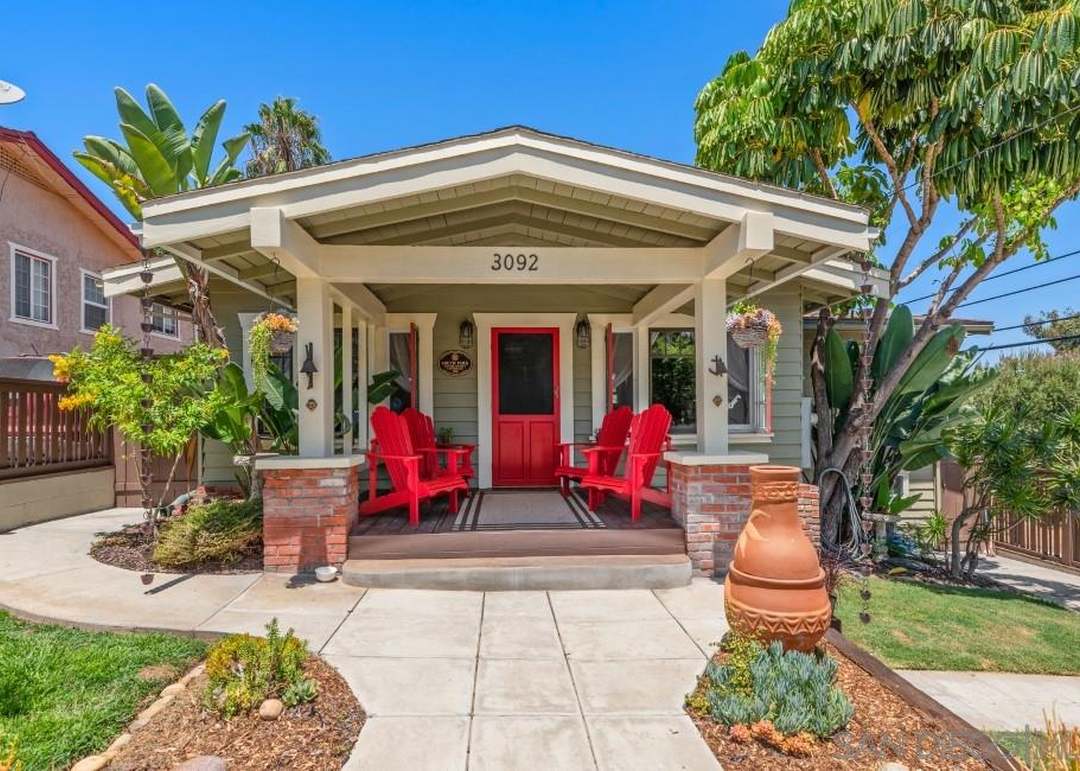
South Park has one of the most recognizable collections of historic homes in Central San Diego, and that didn't happen by accident.
The neighborhood grew during the early 1900s, when streetcars were changing how San Diegans lived and Craftsman architecture was becoming one of Southern California's defining residential styles.
Today, South Park's officially designated historic district encompasses approximately 407 properties, with a period of significance extending from 1906 to 1949.
And what makes this interesting isn't simply that the houses are old. It's how much of the neighborhood's original character is still recognizable more than a century later.
South Park Was Built for a Different Kind of San Diego
To understand South Park's architecture, you have to go back to a time when San Diego was a very different city.
In 1906, the Bartlett Estate Company began developing the South Park Addition southeast of what is now Balboa Park.
Electric streetcars were making it possible for people to live farther from downtown while still having convenient transportation into the city.
Developers saw an opportunity to create residential neighborhoods away from the activity of the downtown waterfront.
South Park was one of them.
The neighborhood's development coincided with the growing popularity of Craftsman architecture, a style influenced by the Arts and Crafts movement and its emphasis on craftsmanship, natural materials, and practical design.
Instead of elaborate ornamentation, these houses celebrated the materials and structural details that made them beautiful.
And Southern California's climate made the style especially appealing.
Wide porches, generous roof overhangs, and connections between indoor and outdoor spaces made sense in a place where people could spend time outside for much of the year.
More than 100 years later, those same features remain a huge part of South Park's appeal.
What Actually Makes a House a Craftsman?
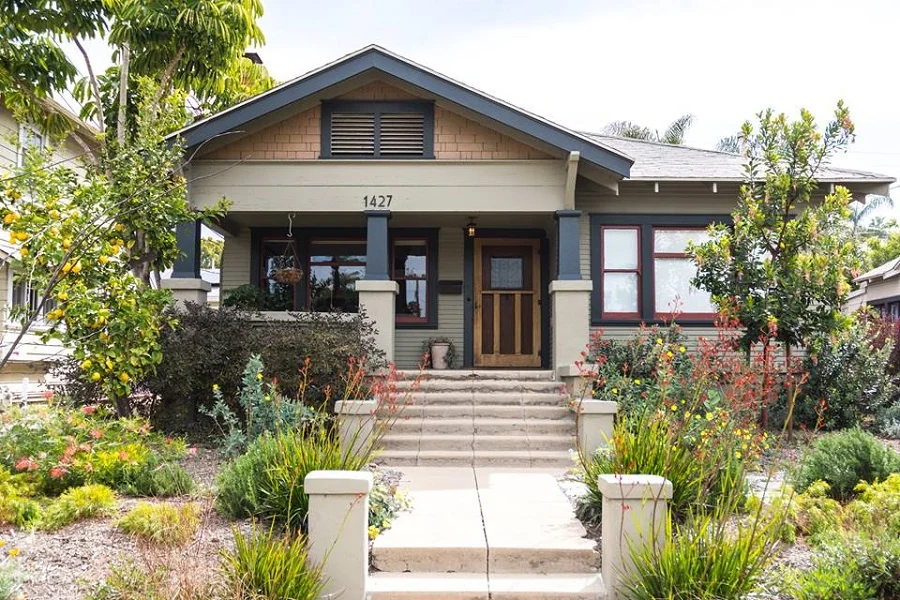
Once you know what to look for, Craftsman architecture is pretty easy to recognize.
The most noticeable feature is often the front porch.
Many traditional Craftsman bungalows have substantial porch columns, low-pitched roofs, exposed rafters beneath their eaves, and natural wood details.
Inside, you might find original built-in cabinets, fireplace surrounds, window trim, and other woodwork that would be expensive to reproduce today.
But there's something important to understand.
Not every older home in South Park is a Craftsman.
The neighborhood also contains Spanish Colonial Revival, Prairie, Tudor Revival, and other architectural styles.
That variety is part of what makes walking these streets so interesting.
You can pass a Craftsman bungalow with a broad porch, turn a corner, and find a completely different interpretation of early twentieth-century residential architecture.
It isn't one repeating house design. It's an architectural record of how San Diego developed.
South Park's Historic District Is Bigger Than You Might Think
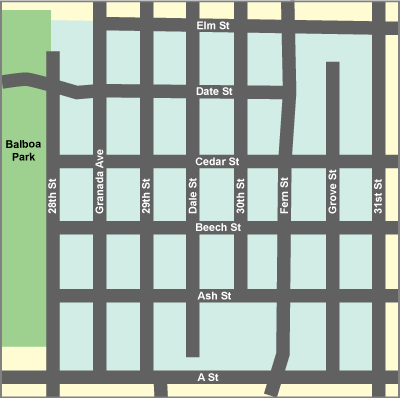
On October 26, 2017, the City of San Diego officially designated the South Park Historic District.
According to the city's historic preservation records, the district contains approximately 407 properties and represents development between 1906 and 1949.
The city also identified hundreds of contributing historic resources within the district.
That distinction matters.
A contributing resource is one that helps establish the district's historical significance. It doesn't mean every building is individually designated or that every property has exactly the same preservation requirements.
And here's a detail I find especially interesting: the historical significance extends beyond the buildings.
The neighborhood's original street layout, sidewalks, landscaping, and surviving features of its early development help tell the larger story.
The City of San Diego's historic district designation records document how South Park became one of the city's recognized historic neighborhoods.
Its period of significance ends in 1949, around the end of the neighborhood's streetcar era.
Think about that for a second.
A transportation system that disappeared decades ago still helps explain the layout and architectural character of one of San Diego's most recognizable neighborhoods.
Pretty frickin cool.
Why South Park Still Feels Different Today
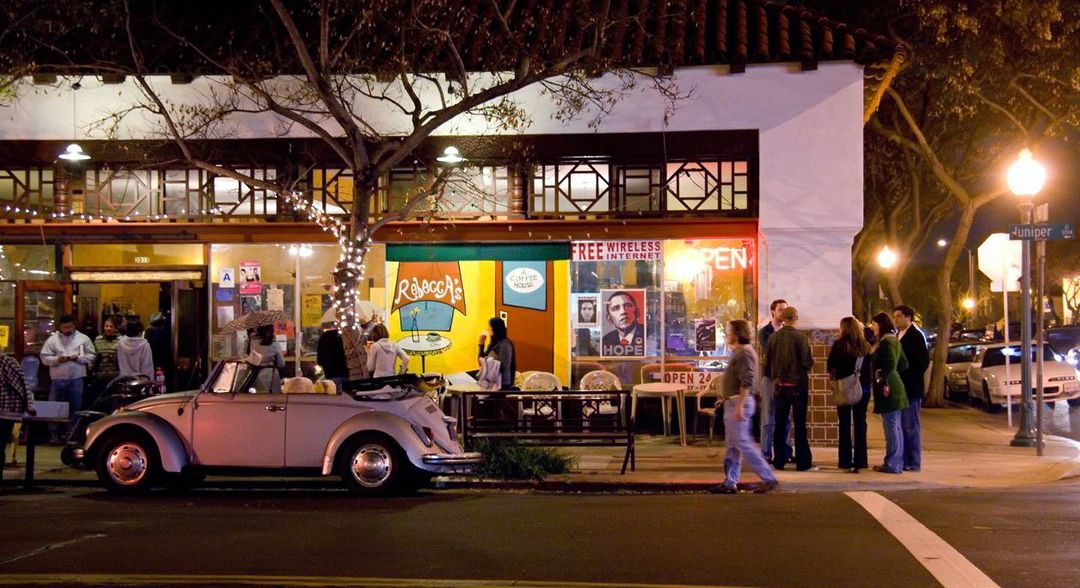
One of the things that makes South Park interesting is how the homes connect to the surrounding neighborhood.
The residential streets sit near local businesses along Fern Street and 30th Street, with Balboa Park immediately to the west.
That means the lifestyle isn't defined entirely by what happens inside your house.
A front porch, a neighborhood coffee shop, a walk to a restaurant, or time spent around Grape Street Park can all become part of everyday life.
But there's a tradeoff.
Many of these houses were built when expectations about garages, storage, bedroom sizes, and household infrastructure were very different.
A beautiful bungalow might have original architectural details and a wonderful location while offering limited off-street parking or smaller interior spaces than a newer home.
And that's something I think buyers need to evaluate carefully.
Character matters. So does whether the house actually works for the life you're living.
Buying a Craftsman Home? Here's What I Would Pay Attention To
When buying an older South Park home, I wouldn't focus exclusively on finishes, kitchen updates, or how great the front porch looks in photographs.
I'd want to understand the condition of the property beneath the surface.
Foundation and drainage: Older homes may have raised foundations, crawl spaces, past structural repairs, or drainage conditions that warrant further evaluation.
Electrical and plumbing: Some homes have been extensively updated. Others contain systems installed or modified across several decades. The age of the house alone doesn't tell you their current condition.
Roof, windows, and insulation: Original-looking materials can contribute to a home's character, but maintenance needs, energy performance, and replacement costs deserve attention.
Parking and storage: Check the actual usability of any garage, driveway, or off-street parking space rather than relying solely on listing descriptions.
Historic designation: Before planning substantial renovations, verify whether a property is individually designated, contributes to a historic district, or is otherwise subject to historical review.
That last one is especially important.
Being located in a historic district doesn't mean you can never remodel your house. It does mean some exterior changes or additions may require review under the city's historic preservation rules.
If your plan involves changing windows, significantly modifying the exterior, or adding square footage, investigate those requirements before purchasing.
The city's Historical Resources program is a useful starting point.
Is Buying an Older South Park Home Worth It?
That depends on what you're actually trying to accomplish.
If you want original architectural details, a residential neighborhood with a distinctive sense of place, and access to the businesses and outdoor spaces around Balboa Park, South Park offers an interesting combination.
But if your priorities include substantial garage space, large modern rooms, minimal maintenance, or extensive remodeling flexibility, an older bungalow might require compromises.
And I wouldn't assume every historic house is a great investment simply because it has character.
Condition, location, purchase price, renovation costs, and the property's specific features all matter.
This is one of the reasons I believe buying a home should start with understanding the life you want to live, rather than just choosing the nicest-looking house online.
Sometimes an older home with fewer modern conveniences gives you exactly the neighborhood experience you're looking for.
Sometimes the repairs, layout, or limitations make another property a better decision.
The important thing is understanding the difference before you're emotionally committed.
A Little Piece of San Diego History
South Park's Craftsman homes are reminders of a time when San Diego was growing into a very different kind of city.
The streetcars are gone, but much of the neighborhood they helped shape remains.
And that's pretty remarkable.
These houses have lived through more than a century of San Diego history. They've seen the city grow around them, neighborhoods evolve, and the way we live change dramatically.
Yet so many of the details that made them special in the early 1900s are still part of their appeal today.
That's the kind of thing that makes me love this frickin city.
If you're considering buying or selling a historic home in South Park, Golden Hill, or another Central San Diego neighborhood, I'd be happy to help you think through the property, the location, and the tradeoffs that actually matter.
Book a conversation with me here.
About Matt
Matt Thornberg is a San Diego real estate agent and team leader of Thornberg Home Group who loves discovering how familiar places shape neighborhood life. He helps first-time homebuyers and current homeowners move up, downsize, or relocate with deep local knowledge, straight-shooting advice, and proven marketing and negotiation strategy. Matt specializes in the central San Diego neighborhoods surrounding Balboa Park, including Golden Hill, South Park, North Park, Mission Hills, University Heights, Normal Heights, Hillcrest, and Bankers Hill.
Matt Thornberg
San Diego Realtor | Thornberg Home Group
Wolfpack | eXp Realty | DRE 02021076
Categories
- All Blogs (7)
- downtown san diego (2)
- living in san diego (4)
- north park (1)
- san diego (5)
- san diego history (4)
- san diego lifestyle (5)
- san diego living (5)
- san diego neighborhoods (2)
- san diego news (4)
- san diego nightlife (1)
- san diego real estate (2)
- san diego restaurants (1)
- south park san diego (2)
Recent Posts


GET MORE INFORMATION