Why People Fall in Love With South Park, San Diego
Why People Fall in Love With South Park, San Diego
South Park has something that isn't particularly easy to create in a modern city: a commercial district that actually feels connected to the neighborhood around it.
You have historic homes, mature trees and residential streets with incredible character. Then, a short distance away, you're walking past neighborhood coffee shops, restaurants, bookstores and small businesses.
And Balboa Park is right there.
All of this happens just a short distance from downtown San Diego.
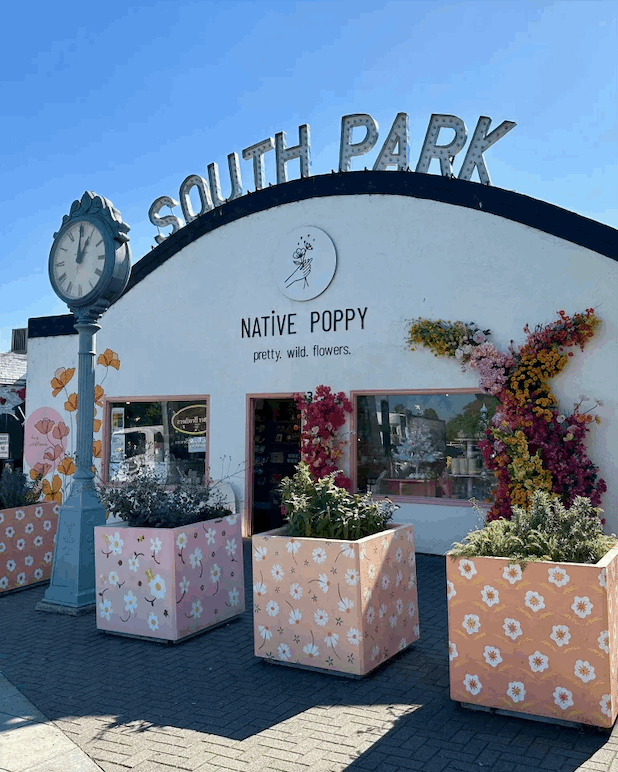
What makes South Park special isn't one particular house, restaurant or landmark. It's the way these pieces come together to shape everyday life.
That combination is why I think South Park stands out among Central San Diego neighborhoods.
And the interesting part is that there's a historical reason the neighborhood developed this way.
South Park Was Built Around a Different Idea of City Living
South Park's roots go back to the early 1900s, when San Diego was expanding beyond its original downtown core.
According to the South Park Business Group's neighborhood history, significant development began around 1905, encouraged by the extension of streetcar service.
The area became part of San Diego's early streetcar-connected suburban growth.
That's more than a fun historical detail.
It helps explain why South Park feels different from a neighborhood built primarily around wide roads, large parking lots and separated commercial centers.
Residential blocks and local businesses developed in relatively close proximity, creating a neighborhood where everyday destinations are woven into the surrounding streets.
The historic commercial area near 30th Street and Fern Street includes buildings associated with an early fire station, grocery store and garage.
These weren't designed as attractions for visitors.
They were part of a functioning neighborhood.
And more than a century later, that underlying pattern remains one of South Park's biggest strengths.
The Houses Are a Big Part of the Appeal
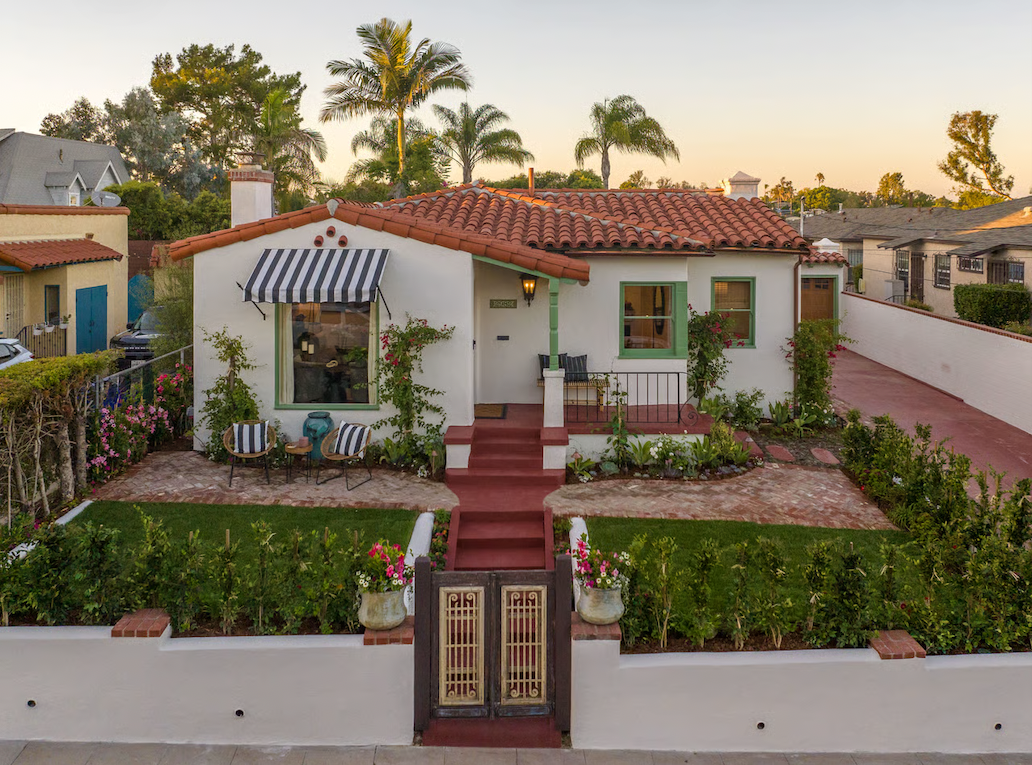
South Park has some genuinely remarkable historic residential architecture.
You'll find Craftsman homes, Spanish-influenced designs, broad porches, established landscaping and details that reflect different periods of the neighborhood's development.
Some streets have a particularly cohesive architectural character.
And that isn't accidental.
On October 26, 2017, the City of San Diego designated the South Park Historic District, covering approximately 407 properties within its defined boundary.
The City's historic district records identify the district as an important example of early San Diego development.
The city's historic documentation describes residential architecture associated with the streetcar era and notes how the streetscape contributes to the district's identity.
But an important distinction: the designated historic district is not the entire neighborhood of South Park.
Individual properties can have different historic statuses, conditions and renovation requirements.
From a real estate perspective, that distinction matters.
A beautifully preserved exterior might be part of what attracts you to a home. If you're planning major renovations, however, you'll want to understand which changes are allowed and what approvals may be required.
Historic character is a benefit worth protecting.
It also deserves a little homework before purchasing.
Why 30th Street and Fern Street Matter So Much
It's hard to describe South Park without talking about its local businesses.
The commercial area around 30th Street, Fern Street and nearby connecting streets offers a mix of restaurants, cafes, independent shops and neighborhood services.
And the businesses themselves make the area interesting.
There's The Big Kitchen, a longstanding neighborhood institution recognized by the City of San Diego.
There's Café Madeleine, Communal Coffee and Dark Horse Coffee for a coffee stop.
There's Buona Forchetta for Italian food, Kindred for its distinctive plant-based restaurant and cocktail-bar concept, and The Book Catapult for independent bookselling.
The South Park Business Group directory provides a useful look at the broader mix of businesses operating in the area.
What stands out to me isn't simply the number of places to eat or shop.
It's the relationship between those destinations and the homes around them.
In some neighborhoods, grabbing a coffee or meeting someone for dinner means planning a drive across town.
In South Park, depending on your address, those activities can be part of a neighborhood walk.
That's a meaningful difference in how a place functions.
And it's one reason I think people can develop such a strong connection to the area.
There's a Real History of Neighborhood Activity
The South Park Business Group organizes events designed to bring people into the business district and support local merchants.
Its neighborhood Walkabouts are a good example.
These events invite people to explore participating shops, restaurants and other businesses rather than keeping their entire visit focused on one destination.
It's a simple idea, but it reinforces something important about South Park.
The commercial district is more than a collection of storefronts.
It's a place designed to be used and experienced.
For anyone considering living here, I'd pay attention to how the neighborhood functions outside of those events, too.
Spend time around the commercial streets on an ordinary weekday. Walk a few residential blocks. Look at how the streets connect.
That's where you'll start to understand whether this particular environment matches what you want from everyday life.
And Then There's Balboa Park
As if the historic houses and neighborhood businesses weren't enough, South Park also sits along the eastern side of Balboa Park.
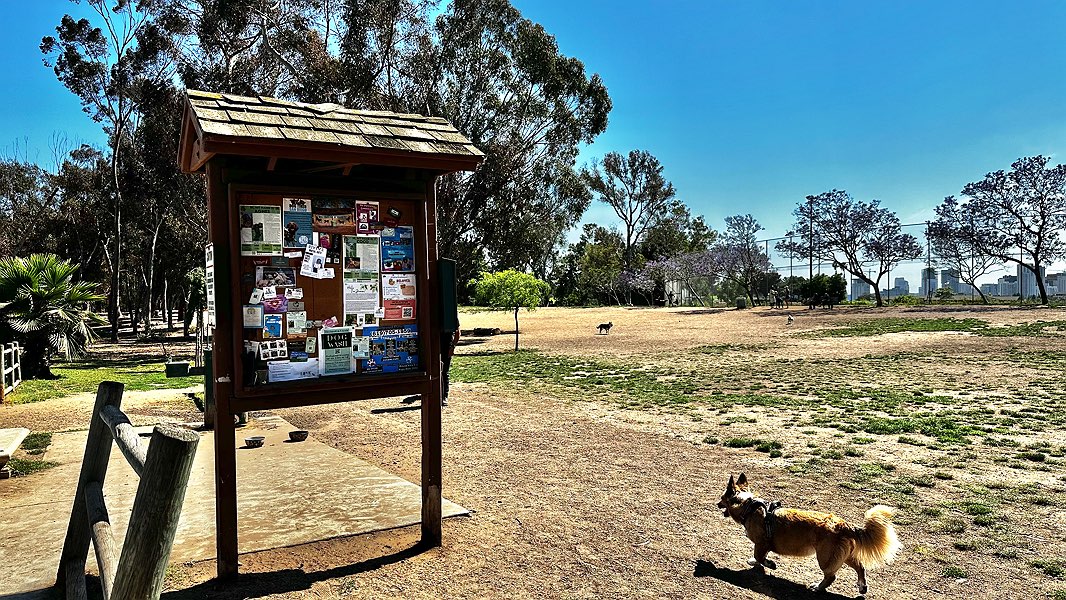
One especially recognizable local feature is Grape Street Park, near Grape and 28th Streets.
The City of San Diego identifies it as a designated leash-free dog area during posted hours.
That's worth knowing because it's easy to hear “near Balboa Park” and picture only the museums, gardens and central cultural attractions.
But Balboa Park is much more varied than that.
Its surrounding open spaces and neighborhood access points can make it part of a regular walking or outdoor routine, rather than simply a destination for the occasional weekend outing.
Of course, proximity depends on the property.
A home near the western edge of South Park may provide a very different walk to the park than one farther east.
Which brings up something I think is important when comparing Central San Diego neighborhoods: a neighborhood name alone doesn't tell you how convenient your particular address will be.
South Park vs. Golden Hill: Similar Character, Different Experience
South Park and Golden Hill are neighbors, and both share a history of older residential development.
But I wouldn't treat them as interchangeable.
Golden Hill has its own historic architecture, the 25th Street corridor, and particularly strong connections to Golden Hill Park and downtown views.
South Park has a different commercial pattern around 30th and Fern, along with residential streets connected to that local business district.
Both offer convenient access to parts of central San Diego.
But two homes with similar architecture and asking prices could offer very different daily routines depending on where they sit.
That's why I think neighborhood comparisons should go beyond a general list of pros and cons.
Don't just ask, “Which neighborhood is better?”
Ask which specific location gives you the conveniences, housing features and daily experience that matter to you.
That's a much more useful question.
South Park Isn't Without Tradeoffs
Now for the less glamorous part.
Historic homes and a desirable central location don't automatically deliver every practical feature a buyer might want.
Depending on the property, you may encounter:
-
Limited off-street parking or garages that don't accommodate modern vehicles.
-
Smaller or more compartmentalized interior layouts.
-
Older building systems that need thorough inspection.
-
Outdoor space that differs considerably from one property to another.
-
Historic-resource considerations for certain renovation plans.
-
More activity near commercial streets than on quieter residential blocks.
And while South Park has many independently operated businesses, that doesn't mean every address is equally walkable to the same destinations.
Someone who prioritizes a private driveway, larger interior spaces or an easier-to-modify property should evaluate those details just as carefully as someone prioritizing nearby cafes and restaurants.
There's no reason to treat a practical requirement as less important simply because the neighborhood is charming.
A home should support your life, not force you to reorganize everything around it.
How to Decide Whether South Park Is Right for Your Next Move
Here's how I'd approach South Park if I were comparing potential homes.
First, I'd explore the business district around 30th and Fern. That gives you an introduction to one of the neighborhood's defining features.
Next, I'd walk the residential blocks surrounding any specific property under consideration.
Not just the prettiest street from a neighborhood video.
The actual blocks you would be using.
Then I'd evaluate the home's functional details: parking, layout, property condition, outdoor space and potential renovation requirements.
Finally, I'd compare the total cost of ownership with the lifestyle benefits.
Because loving the neighborhood is one thing.
Being able to comfortably afford and maintain your home there is another.
What Really Makes South Park Special?
I think the answer comes down to the combination of history, architecture, local businesses and location.
South Park didn't suddenly become interesting because a few restaurants opened.
Its appeal is connected to the way the neighborhood developed over time, the homes that remain, and the everyday destinations that now occupy its commercial streets.
It's a reminder that a great place to live isn't defined by the biggest house or the longest list of amenities.
It's about how the place works for you.
And in a city as varied as San Diego, figuring that out is half the fun.
If you're considering South Park, Golden Hill or another neighborhood around Balboa Park, grab some time in my calendar. I'm always happy to talk through the differences and help you figure out which area and type of home make the most sense for your next move.
I love this frickin city.
Matt Thornberg | Thornberg Home Group | Wolfpack | eXp Realty | DRE 02021076
Categories
GET MORE INFORMATION