Central San Diego Is Not One Neighborhood
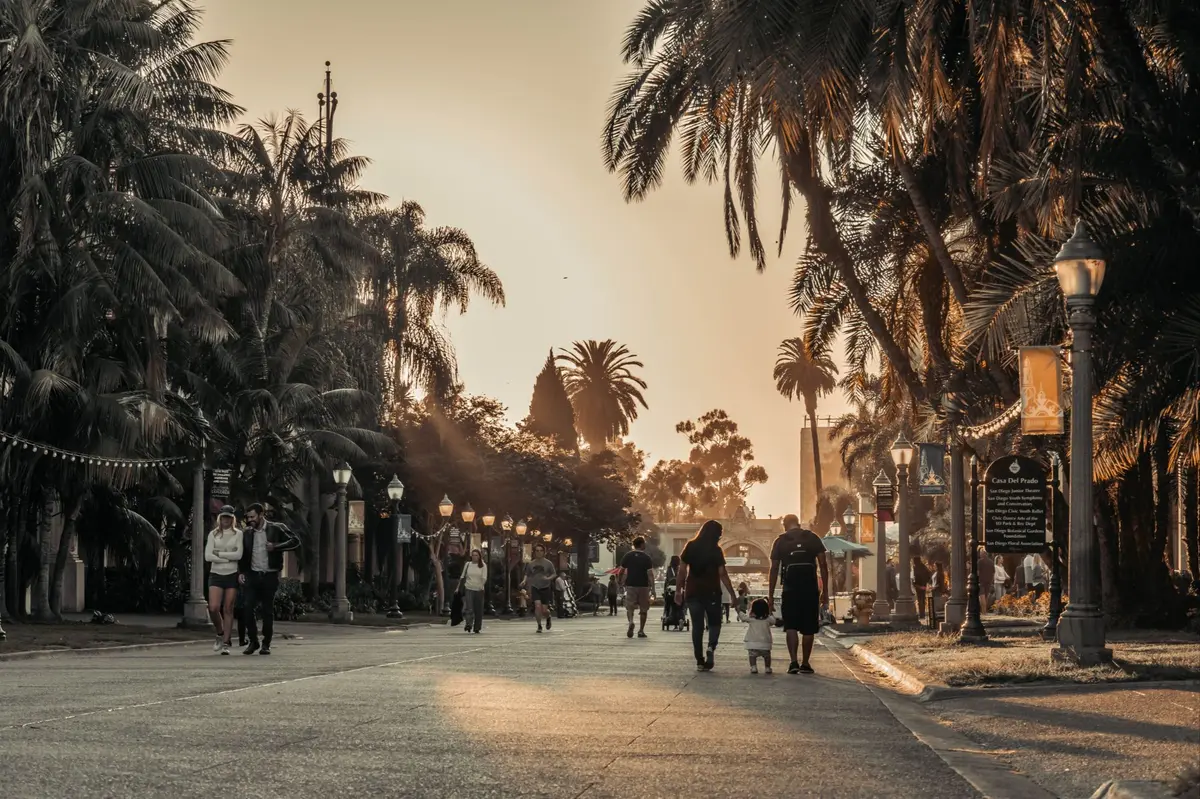
“Central San Diego” is less a single official neighborhood and more a useful way to think about the collection of established urban neighborhoods surrounding Balboa Park and San Diego’s central core.
And that’s why searching for a home here gets interesting.
You can drive a few minutes and go from historic Craftsman homes and quiet residential streets to condos, apartments, restaurants, nightlife and some of the most walkable commercial districts in San Diego.
Golden Hill and South Park sit east and southeast of Balboa Park. North Park stretches along the park’s northeast side. Hillcrest and Bankers Hill sit along the western side, while Mission Hills, University Heights and Normal Heights extend the Central San Diego search outward from there.
That’s why I don’t think the right question is:
“What’s the best neighborhood in Central San Diego?”
The better question is:
“Which neighborhood gives me the version of San Diego life I’m actually looking for?”
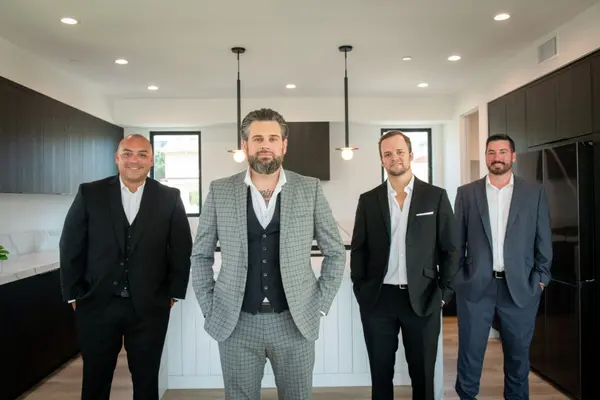
I’m Matt Thornberg, a San Diego Realtor and team leader of Thornberg Home Group. I focus heavily on these central neighborhoods because choosing between them is rarely just a housing decision.
It’s usually a lifestyle decision first.
Start With How You Want to Live
Before comparing listings, I would narrow your search using five things.
Walkability
Do you want restaurants, coffee, bars, groceries and daily life within a short walk... or do you mainly want a central location and don’t mind getting in the car?
Those are different searches.
The House Itself
A detached house, usable yard, garage, home office and four bedrooms can dramatically change which neighborhoods make sense.
Central San Diego has plenty of character, but space isn’t distributed evenly.
Energy Versus Quiet
Living near a busy commercial corridor can be incredibly convenient.
It can also mean more traffic, noise and competition for parking.
Move only a handful of blocks in some Central San Diego neighborhoods and the experience can change considerably.
Character Versus Newness
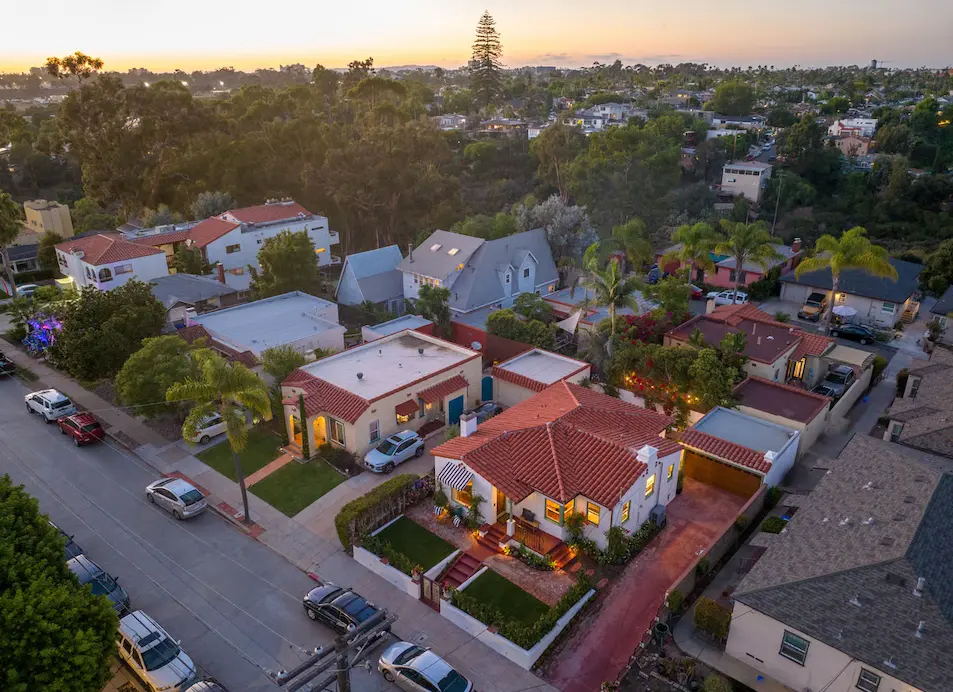
If you love Craftsman homes, Spanish-style houses, bungalows and homes that don’t look like every other house on the block, Central San Diego gives you a lot to work with.
Older homes can also come with older-home decisions... foundations, electrical systems, plumbing, roofs, additions, renovations and deferred maintenance.
Character is great.
You just want to know what you’re buying.
Where You Spend Your Time
Downtown. Balboa Park. The airport. The beaches. Freeways. Restaurants. Work.
A neighborhood can look perfect online and still be wrong for the way you move through San Diego every week.
That’s the part a Zillow photo can’t tell you.
Eight Central San Diego Neighborhoods to Know...
These aren’t interchangeable neighborhoods with different names.
Each solves a slightly different problem.
Golden Hill
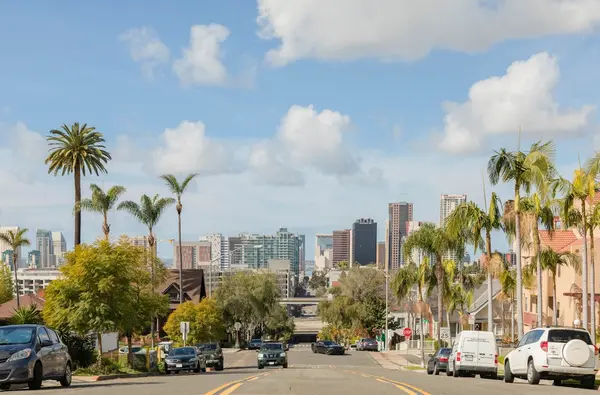
Golden Hill sits immediately east of Downtown and alongside Balboa Park, giving it one of the more interesting combinations of centrality, older architecture and neighborhood character in San Diego’s urban core.
You’ll find detached homes, smaller multifamily properties, apartments and condos mixed together rather than separated into perfectly uniform pockets.
Start here if: you want to be extremely central, value character and Balboa Park access, and don’t need every street to feel polished or uniform.
Pay attention to: hills, parking, lot size, property condition and how much the feel can change from one pocket to another.
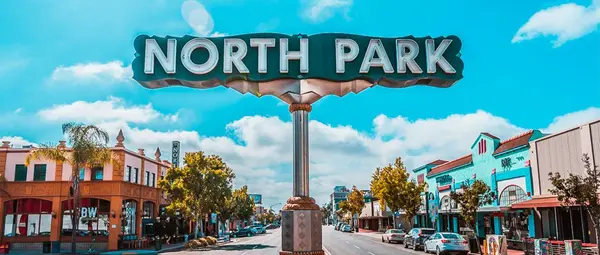
North Park
North Park is much bigger and more varied than people sometimes realize.
Commercial corridors transition quickly into multifamily areas and detached-home neighborhoods, which means “I want to live in North Park” isn’t specific enough.
Living close to 30th Street or University Avenue can feel very different from living several blocks into a quieter residential pocket.
Start here if: restaurants, coffee, nightlife and walkability matter, but you still want access to detached-home neighborhoods.
Pay attention to: exact micro-location, parking, noise, housing condition and how close you actually want to be to the commercial core.
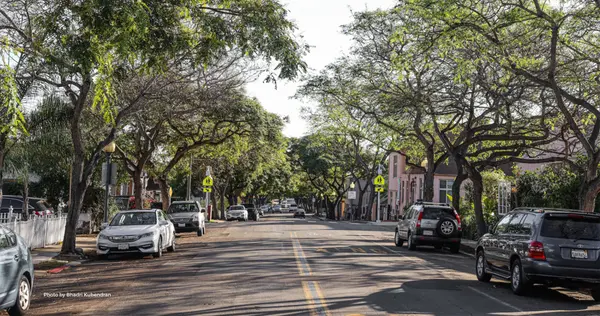
South Park
South Park gives you a different version of central living.
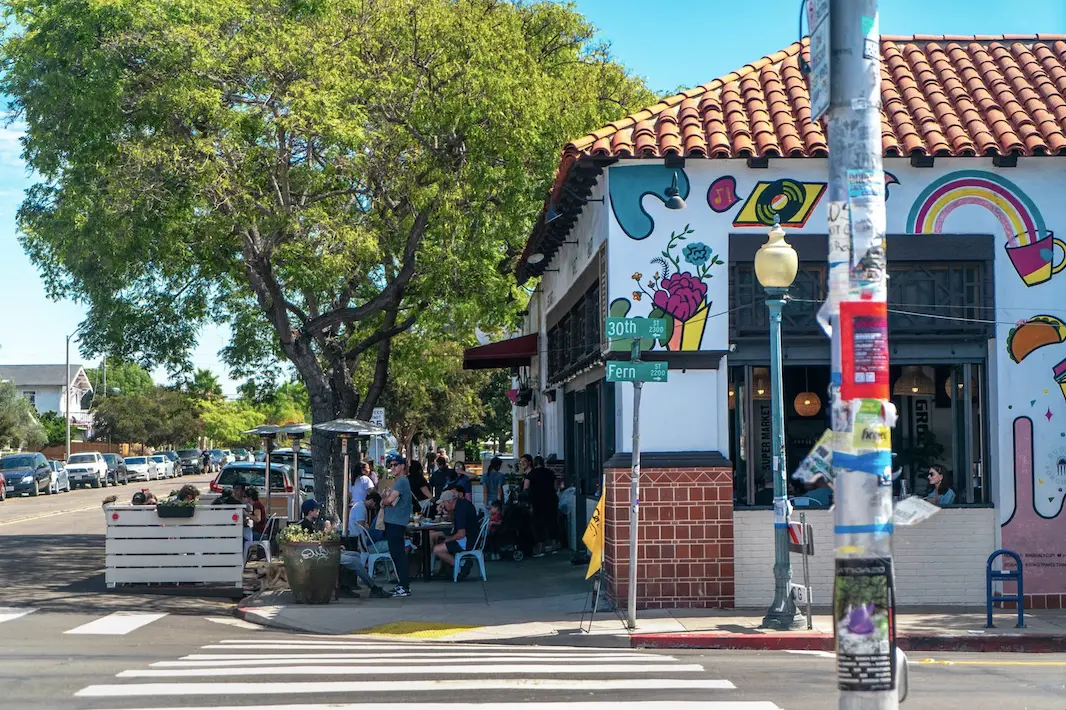
Its recognizable neighborhood life centers around places like 30th Street and Fern Street, with local restaurants, coffee shops and businesses woven into a largely residential neighborhood.
Craftsman homes are a major part of South Park’s identity, and its location puts Balboa Park remarkably close.
Start here if: you want character homes, a neighborhood-scale commercial district and easy access to Balboa Park.
Pay attention to: limited housing inventory, older-home condition, parking and the premium buyers can place on particularly desirable streets.
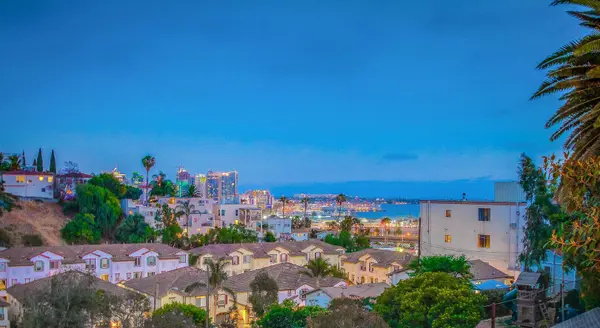
Mission Hills
Mission Hills feels noticeably different from North Park, despite being only a short distance away.
You’ll find distinctive older architecture, substantial detached homes, canyon properties and residential streets that can feel more removed from the activity of the major commercial corridors.
Start here if: you’re looking for distinctive architecture, more substantial detached-home options and a central location without needing nightlife immediately outside your door.
Pay attention to: canyon lots, topography, airport proximity, property condition and the price difference between Mission Hills and neighboring communities.
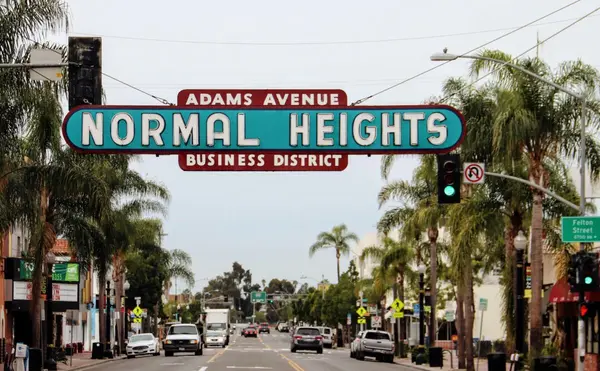
Normal Heights
Normal Heights pushes the Central San Diego search farther east, with Adams Avenue acting as a major neighborhood spine.
You’re farther from Balboa Park than Golden Hill, South Park or Hillcrest, but you can still get a walkable neighborhood environment, older housing stock and excellent connectivity to the rest of central San Diego.
Start here if: walkable neighborhood life and central access matter more than being immediately next to Balboa Park.
Pay attention to: freeway proximity, parking, housing condition, lot size and differences between quieter residential streets and areas closer to Adams Avenue.
Hillcrest
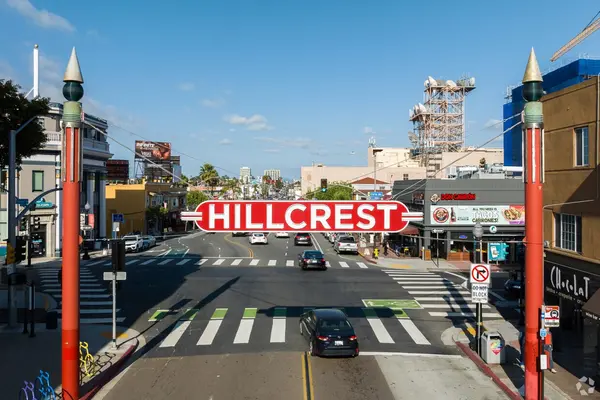
Hillcrest sits directly alongside Balboa Park and offers a denser, more urban housing mix than many of the detached-home-heavy neighborhoods east of the park.
Condos, apartments and multifamily housing are a much bigger part of the equation here, alongside restaurants, shops and daily services.
Start here if: walkability, restaurants, access to Balboa Park and being in the middle of the city matter more than having a large yard.
Pay attention to: parking, density, traffic, condo costs and whether you want to be directly on a commercial corridor or a little removed from it.
University Heights
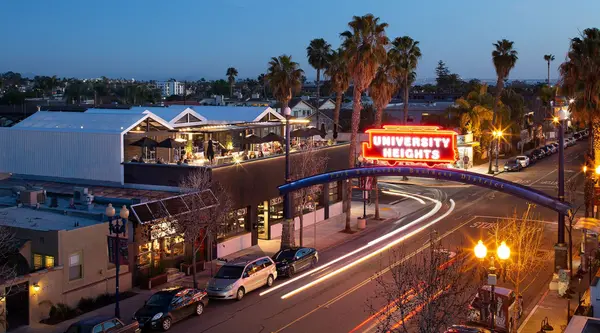
University Heights sits in an unusually connected part of Central San Diego, with quick access toward Hillcrest, North Park, Normal Heights, Mission Valley and Balboa Park.
Depending on the pocket, you’ll find detached homes, bungalows, condos and multifamily properties, with neighborhood activity concentrated around areas such as Park Boulevard.
Start here if: you want a central location and neighborhood walkability without necessarily wanting the scale or intensity of North Park’s main commercial corridors.
Pay attention to: housing type, parking, proximity to busier streets and exactly which side of the neighborhood you’re considering.
Bankers Hill
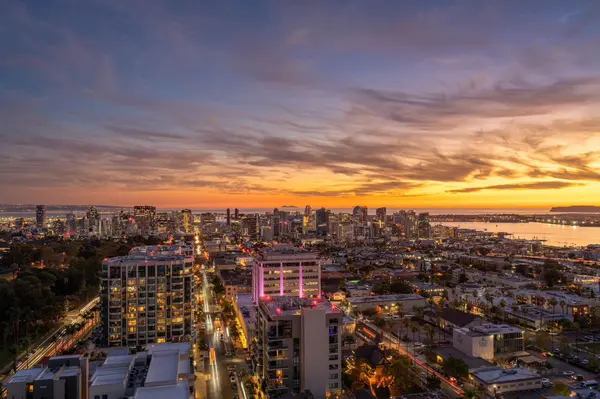
Bankers Hill sits between Balboa Park and Downtown, putting you close to the park, Little Italy, the waterfront, the airport and the downtown core.
Housing can range from historic properties and smaller multifamily buildings to condos and taller residential buildings.
The hills and views are part of the experience too.
Start here if: you want an urban Central San Diego location with direct Balboa Park access and don’t need the traditional bungalow-neighborhood experience.
Pay attention to: hills, parking, building fees, views, airport and city noise, and the difference between a condo lifestyle and a detached-home search.
The Part Listing Photos Don’t Show You
Central San Diego is especially sensitive to micro-location.
Two houses with the same ZIP code and similar square footage can give you completely different daily lives.
One might put you two blocks from restaurants and coffee but make street parking a regular consideration.
Another might give you a quiet street and garage but turn that same coffee shop into a drive.
One house may back toward a canyon.
Another may sit near a freeway.
One bungalow may have been comprehensively updated.
Another that looks nearly identical in photos may still have major older-home systems to think through.
This is why I encourage buyers to compare streets and routines, not just neighborhood names.
Ask yourself:
Where would I walk?
Where would I drive?
Where would I park?
What will this street feel like at 8 a.m.... 6 p.m.... or on a Saturday night?
That’s how you start choosing where you’ll actually enjoy living.
Find Your Neighborhood Fit
If you’re trying to narrow down where you fit in Central San Diego, let’s talk through it.
Buying a Home in Central San Diego
Buying here often means balancing several things at once.
Location versus space.
A more central location may mean compromising on lot size, garage space or total square footage.
Character versus condition.
Older homes can offer architecture you simply won’t find in newer communities, but condition matters.
Walkability versus privacy.
Being close to restaurants and nightlife is fantastic if that’s what you want. Being one block too close can be something entirely different.
House versus neighborhood.
Sometimes the slightly less impressive house is in the location that fits your life dramatically better.
There isn’t one universal right answer.
The goal is to know which tradeoffs you’re intentionally making... instead of discovering them after you move in.
Moving Up, Downsizing or Relocating?
Moving Up in Central San Diego
Downsizing Without Giving Up Your Life
Relocating to San Diego
Central San Diego Neighborhood FAQs
To help you make informed decisions, we've compiled answers to some of the most commonly asked questions.
What neighborhoods are considered Central San Diego?
There isn’t one universally defined neighborhood called “Central San Diego.”
For this guide, I’m focusing on the urban neighborhoods around Balboa Park and the nearby central core: Golden Hill, South Park, North Park, Mission Hills, University Heights, Normal Heights, Hillcrest and Bankers Hill.
Those neighborhoods give buyers a useful starting point for comparing different versions of central San Diego living without trying to treat the entire city as one market.
What neighborhoods are closest to Balboa Park?
Are Central San Diego neighborhoods walkable?
Can I find detached houses in Central San Diego?
Can I get a yard and still live somewhere walkable?
How does Central San Diego compare with coastal San Diego?
Which Central San Diego neighborhood should I choose?
What’s the best way to compare these neighborhoods before moving?
The Goal Isn’t to Find the “Best” Neighborhood
It’s to find the neighborhood that makes the most sense for you.
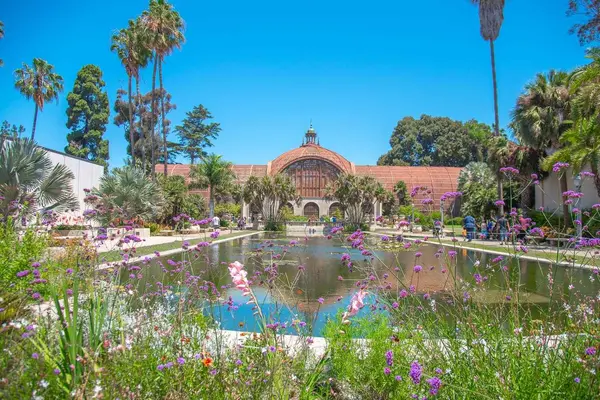
Central San Diego gives you an unusually wide range of lifestyles inside a relatively compact part of the city.
Historic houses. Condos. Walkable restaurant districts. Quiet residential streets. Balboa Park. Downtown access. Neighborhood coffee shops. Canyons. Hills. Old homes with stories and new homes tucked between them.
The fun part is that you don’t have to choose San Diego first and lifestyle second.
You can get pretty specific about the version of San Diego you actually want.
And when you’re trying to figure that out... that’s exactly the kind of conversation I’m here for.
If it would help to talk through your situation, grab some time in my calendar and we’ll figure out where to start.
I love this frickin city.